

By IHSS Program Integrity Unit
May 2026 | 2026 Spring – Summer Newsletter
The In-Home Supportive Services (IHSS) program assists older adults and individuals with disabilities to live safely and independently in their own homes. As the program has grown, so have instances of rule violations and suspected fraud. Even minor violations can take essential resources away from the people who genuinely rely on IHSS. By understanding what constitutes IHSS fraud and knowing how to report concerns, we can help protect the program for the elderly and disabled residents of Santa Clara County who depend on it every day.
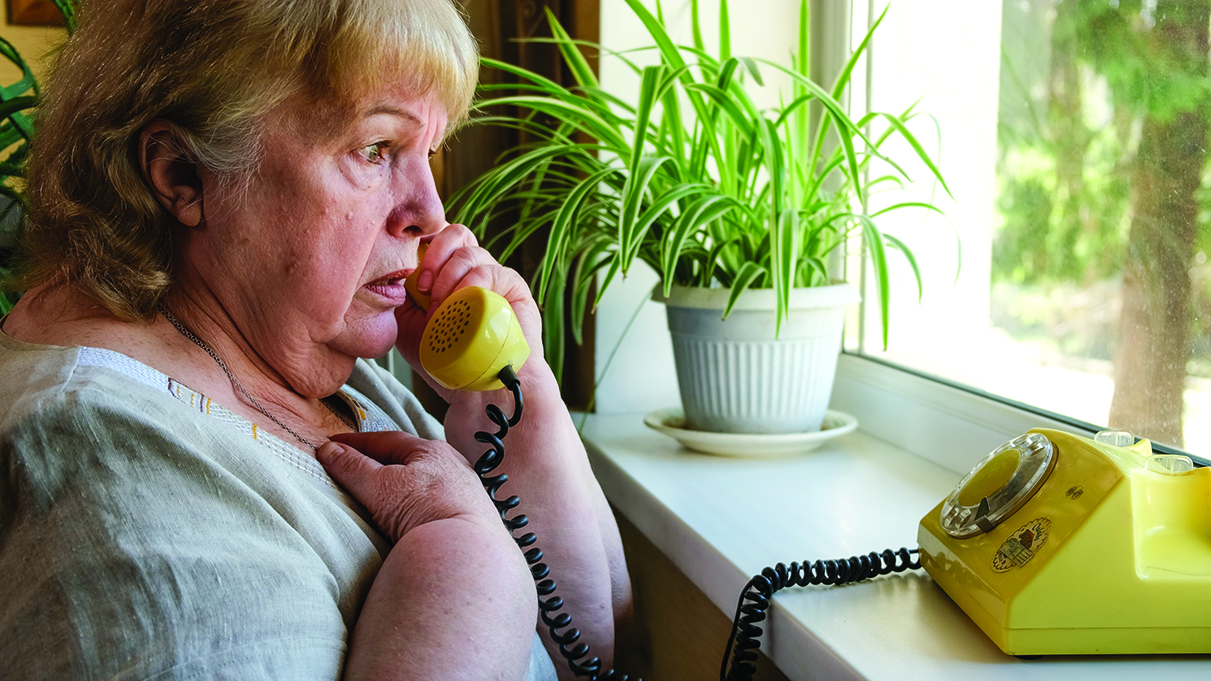
Fraud can happen in many ways, so it is important for both providers and recipients to recognize behaviors that may be fraudulent. Catching issues early helps protect the integrity of the IHSS program and ensures services that help remain available for those who truly need them.
Fraud happens when someone intentionally deceives or attempts to obtain something in an unlawful or unfair manner. This can include inaccurate reporting, misuse of services, or knowingly providing false information. The following sections outline the most common types of IHSS fraud:
Timesheet Fraud:
- Providers are required to report only the hours that were genuinely worked. Claiming more hours than were provided is a crime under Penal Code §72 and §487(a).
- Timesheets can only be approved by the recipient or an authorized signer, and only after all claimed hours have been completed.
- Providers are not authorized to approve their own timesheets.
- If a recipient passes away, the provider must contact IHSS and speak with an account clerk to find out how many hours may still be claimed. Hours are prorated based on the date of death, and no hours can be claimed for work performed after that date.
Recipient Out of the Home
IHSS services are intended to support recipients in their own homes. A provider cannot be paid for services when the recipient is:
- Hospitalized
- In a skilled nursing facility
- Incarcerated
- Living or traveling outside the county or country
When the recipient is out of the home, providers may not claim hours worked for tasks such as translation, housekeeping, preparing, and delivering food. Lost hours cannot be “made up” later by increasing time on a future timesheet.
Check Splitting
“Check splitting” occurs when a provider submits timesheets for hours not actually worked and then shares the payment with the recipient or another individual. This practice is considered theft and is a criminal offense under Penal Code § 487(a) or Penal Code § 72. Both the provider and the recipient may face prosecution.
Take Action: Reporting Suspected IHSS Fraud in Santa Clara County
If you suspect IHSS fraud, reporting it helps protect the program and the individuals who depend on it. You do not need to be certain that fraud has occurred. Reporting concerns will allow the appropriate authorities to review the situation. You can report suspected fraud through the following methods:
- Email suspected fraud and include all available details to: IHSS-QAPI@ssa.sccgov.org
- Call the Santa Clara County IHSS Suspected fraud line: (408) 792-1782
- Call the IHSS main line with any questions or clarify program rules: (408) 792-1600
The In-Home Supportive Services (IHSS) program assists older adults and individuals with disabilities to live safely and independently in their own homes. As the program has grown, so have instances of rule violations and suspected fraud. Even minor violations can take essential resources away from the people who genuinely rely on IHSS. By understanding what constitutes IHSS fraud and knowing how to report concerns, we can help protect the program for the elderly and disabled residents of Santa Clara County who depend on it every day.
Fraud can happen in many ways, so it is important for both providers and recipients to recognize behaviors that may be fraudulent. Catching issues early helps protect the integrity of the IHSS program and ensures services that help remain available for those who truly need them.
Fraud happens when someone intentionally deceives or attempts to obtain something in an unlawful or unfair manner. This can include inaccurate reporting, misuse of services, or knowingly providing false information. The following sections outline the most common types of IHSS fraud:
Timesheet Fraud:
- Providers are required to report only the hours that were genuinely worked. Claiming more hours than were provided is a crime under Penal Code §72 and §487(a).
- Timesheets can only be approved by the recipient or an authorized signer, and only after all claimed hours have been completed.
- Providers are not authorized to approve their own timesheets.
- If a recipient passes away, the provider must contact IHSS and speak with an account clerk to find out how many hours may still be claimed. Hours are prorated based on the date of death, and no hours can be claimed for work performed after that date.
Recipient Out of the Home
IHSS services are intended to support recipients in their own homes. A provider cannot be paid for services when the recipient is:
- Hospitalized
- In a skilled nursing facility
- Incarcerated
- Living or traveling outside the county or country
When the recipient is out of the home, providers may not claim hours worked for tasks such as translation, housekeeping, preparing, and delivering food. Lost hours cannot be “made up” later by increasing time on a future timesheet.
Check Splitting
“Check splitting” occurs when a provider submits timesheets for hours not actually worked and then shares the payment with the recipient or another individual. This practice is considered theft and is a criminal offense under Penal Code § 487(a) or Penal Code § 72. Both the provider and the recipient may face prosecution.
Take Action: Reporting Suspected IHSS Fraud in Santa Clara County
If you suspect IHSS fraud, reporting it helps protect the program and the individuals who depend on it. You do not need to be certain that fraud has occurred. Reporting concerns will allow the appropriate authorities to review the situation. You can report suspected fraud through the following methods:
- Email suspected fraud and include all available details to: IHSS-QAPI@ssa.sccgov.org
- Call the Santa Clara County IHSS Suspected fraud line: (408) 792-1782
- Call the IHSS main line with any questions or clarify program rules: (408) 792-1600