

By Edith Gong
April 2020 | 2020 Spring Newsletter
In February 2020, an outbreak of the respiratory disease Novel Coronavirus—also known as COVID-19—began spreading around the globe, causing fear and uncertainty to be felt by many. While caution and concern are justified during outbreaks of this nature, especially within the higher risk category, the risk to most is low if common sense practices are followed.
When an illness is spreading through a community, those in the higher risk category should take extra precautions. Higher risk individuals are those over the age of 60, vulnerable young, elderly, immune-compromised populations, and people—regardless of age—with underlying health conditions including
cardiovascular disease, diabetes, cancer, heart disease, or chronic lung diseases like COPD, as well as those with severely weakened immune systems.
The Centers for Disease Control and Prevention (CDC) expects that reported cases of coronavirus will increase in the coming weeks. COVID-19 spreads between people who are in close contact—within about 6 feet—through droplets sprayed when an infected person coughs or sneezes. Therefore, it is vital to practice social distancing and to follow the county’s shelter-in-place guidelines.
Whenever possible, higher risk individuals should not go outside. Germs spread by those infected by the COVID-19 virus can live in the air or on surfaces for between three and seventy-two hours. If possible, ask your caregivers, family, friends, or neighbors to do your shopping for you, or order supplies online and request “no contact” delivery.
The best way to prevent any illness, including the flu and coronavirus, is to use universal precautions. You and your caregiver should:
- Wash hands first thing after entering a consumer’s home
- Avoid large crowds and close contact with people who are sick
- Avoid touching your eyes, nose, and mouth
- Stay home if you feel sick or have symptoms such as fever or cough
- Have medications on hand in case you need to stay home for a long time
- Cover your cough or sneeze with a tissue, then throw the tissue in the trash
- Clean and disinfect frequently touched objects and surfaces using a regular household cleaning spray or wipe
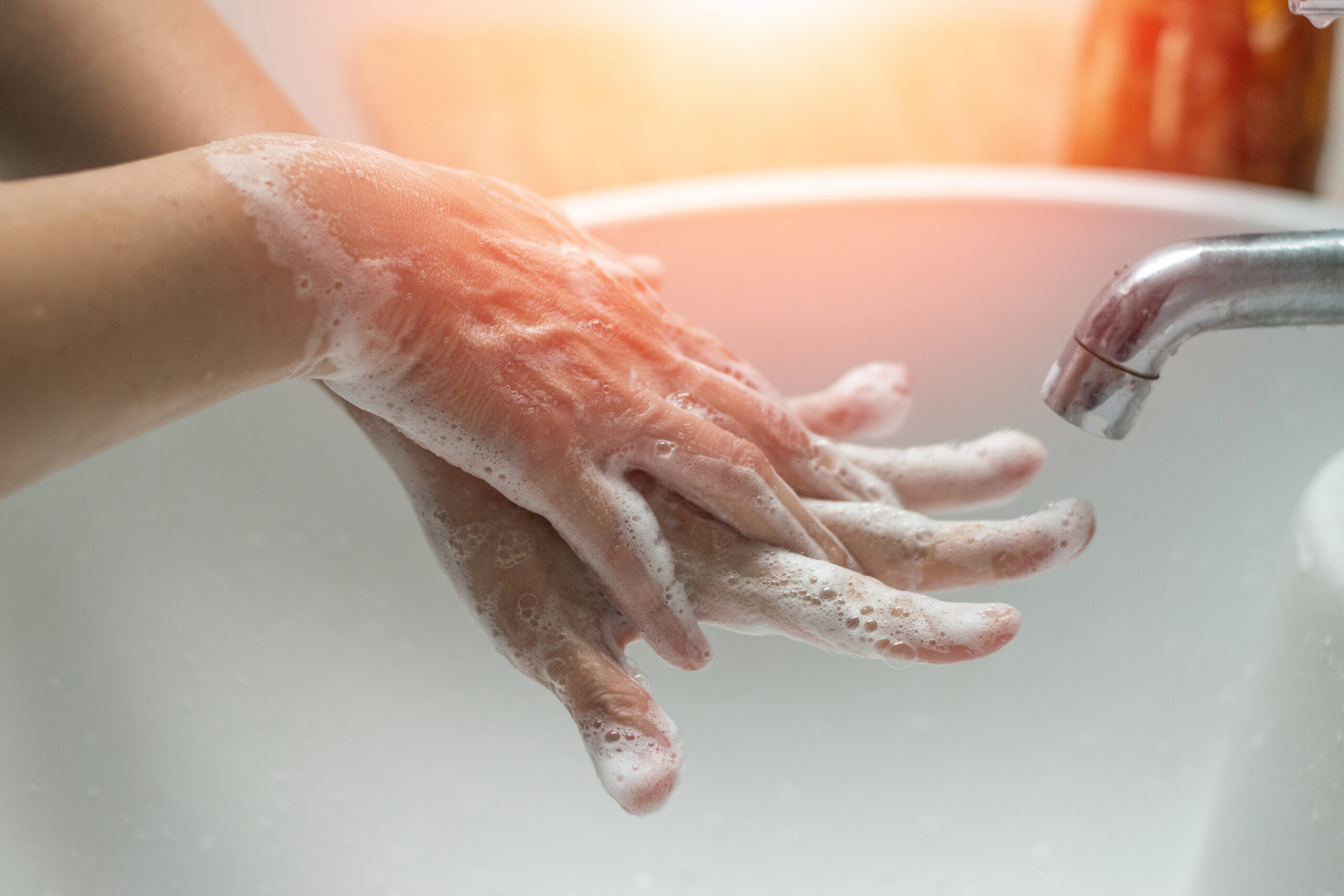
- Wash your hands often with soap and water for at least 20 seconds, especially after going to the bathroom; before eating; and after blowing your nose, coughing, or sneezing.
- If soap and water are not available, use an alcohol-based hand sanitizer with at least 60% alcohol. Always wash hands with soap and water if hands are visibly dirty.
If you become ill, you should contact your doctor first to let them know about your symptoms; they will tell you what you should do.
In instances of a viral outbreak, it is important to stay informed by proper news sources. The best source for up-to-date information on health concerns in our local community is the Santa Clara County Public Health (SCCPH) website at publichealth.santaclaracounty.gov.
In February 2020, an outbreak of the respiratory disease Novel Coronavirus—also known as COVID-19—began spreading around the globe, causing fear and uncertainty to be felt by many. While caution and concern are justified during outbreaks of this nature, especially within the higher risk category, the risk to most is low if common sense practices are followed.
When an illness is spreading through a community, those in the higher risk category should take extra precautions. Higher risk individuals are those over the age of 60, vulnerable young, elderly, immune-compromised populations, and people—regardless of age—with underlying health conditions including cardiovascular disease, diabetes, cancer, heart disease, or chronic lung diseases like COPD, as well as those with severely weakened immune systems.
The Centers for Disease Control and Prevention (CDC) expects that reported cases of coronavirus will increase in the coming weeks. COVID-19 spreads between people who are in close contact—within about 6 feet—through droplets sprayed when an infected person coughs or sneezes. Therefore, it is vital to practice social distancing and to follow the county’s shelter-in-place guidelines.
Whenever possible, higher risk individuals should not go outside. Germs spread by those infected by the COVID-19 virus can live in the air or on surfaces for between three and seventy-two hours. If possible, ask your caregivers, family, friends, or neighbors to do your shopping for you, or order supplies online and request “no contact” delivery.
The best way to prevent any illness, including the flu and coronavirus, is to use universal precautions. You and your caregiver should:
- Wash hands first thing after entering a consumer’s home
- Avoid large crowds and close contact with people who are sick
- Avoid touching your eyes, nose, and mouth
- Stay home if you feel sick or have symptoms such as fever or cough
- Have medications on hand in case you need to stay home for a long time
- Cover your cough or sneeze with a tissue, then throw the tissue in the trash
- Clean and disinfect frequently touched objects and surfaces using a regular household cleaning spray or wipe
- Wash your hands often with soap and water for at least 20 seconds, especially after going to the bathroom; before eating; and after blowing your nose, coughing, or sneezing.
- If soap and water are not available, use an alcohol-based hand sanitizer with at least 60% alcohol. Always wash hands with soap and water if hands are visibly dirty.
If you become ill, you should contact your doctor first to let them know about your symptoms; they will tell you what you should do.
In instances of a viral outbreak, it is important to stay informed by proper news sources. The best source for up-to-date information on health concerns in our local community is the Santa Clara County Public Health (SCCPH) website at publichealth.santaclaracounty.gov.