

By Shannin Prather
April 2018 | 2018 Spring Newsletter
The Independent Living (IL) Movement grew out of the Disability Rights Movement, which began in the 1960s. The IL Movement was developed by individuals with disabilities who often found themselves in situations where their own opinions and desires were overlooked. Society made assumptions about an individual’s capabilities and made choices without their input, worsening a situation by ignoring the affected individual’s opinions and desires.
The IL philosophy is based on the belief that people with disabilities know their own needs best and have the right to determine how those needs are addressed. The In-Home Supportive Services (IHSS) program is based on this consumer-directed model of care, embracing this philosophy and
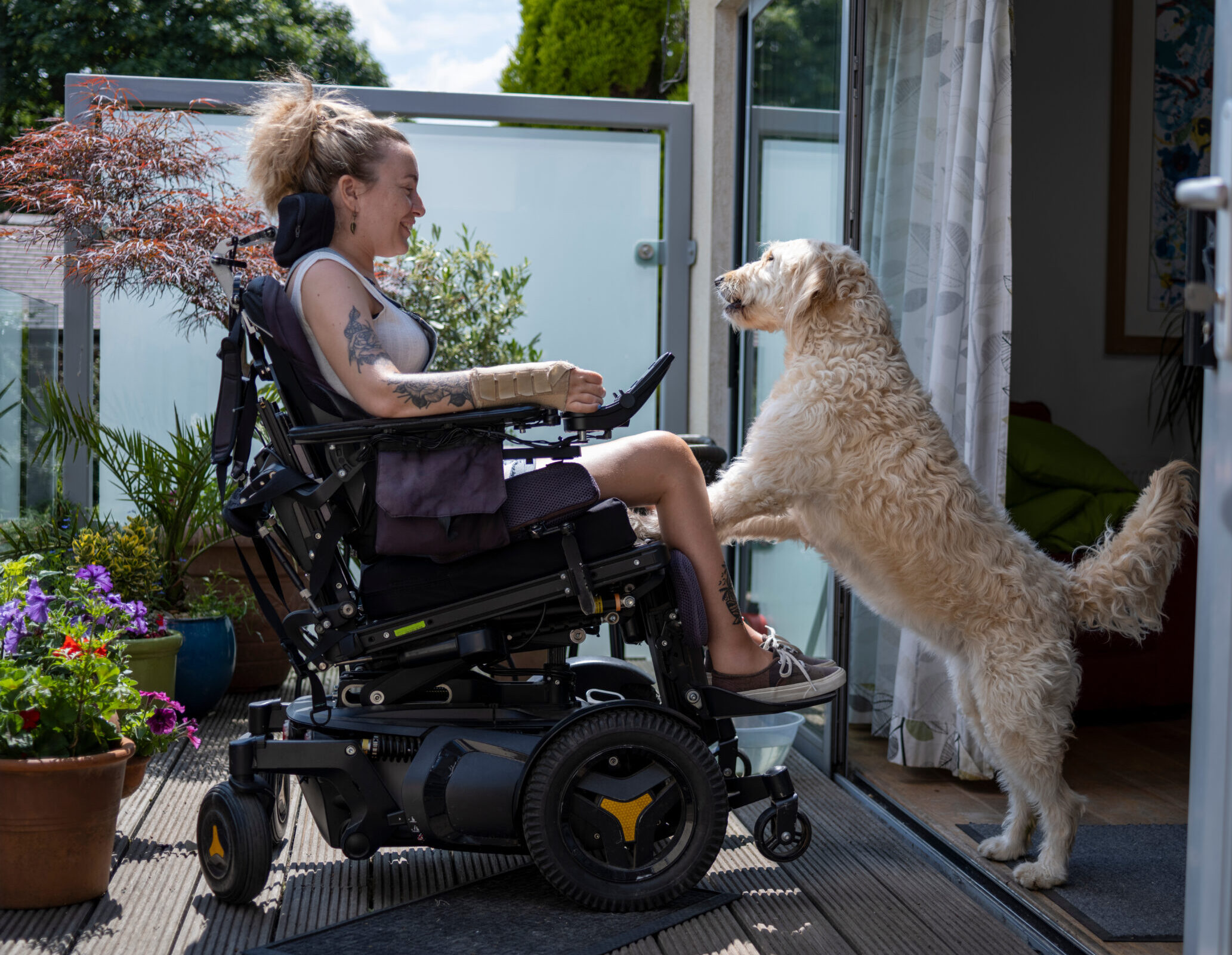
recognizing that people with disabilities are not patients; their homes are not medical settings; and IHSS services do not have to be performed by medical personnel.
Most people with disabilities primarily see themselves as ordinary people; as individuals, not patients; or as individuals who have medical conditions. IHSS care providers are compelled to embrace the consumer-directed model and steer away from the medical model of care. The traditional medical model of care views the consumer as a patient who needs to be told what to do and when to do it, whereas the consumer-directed model focuses on person-centered care, honoring the importance of keeping the consumer at the center of the care planning and decision-making process.
The consumer-directed model also identifies barriers in care systems and in communities which may foster negative attitudes, exclusion, and inequality. Advocates prefer to use the term “consumer” as opposed to “client,” or “patient” in order to avoid the impression that consumers are taking advice from experts.
The IL movement and consumer-directed model reinforces that persons living with disabilities are the experts of their own lives and needs.
Disability rights advocates believe that healthcare professionals and society need to honor the consumer’s wants, choices, and expressed needs.
The philosophy of independent living maintains that each person with a disability is unique and has the same civil rights as a person without a disability.
If you are interested in learning more about the Independent Living Movement, please visit: independentliving.org.
The Independent Living (IL) Movement grew out of the Disability Rights Movement, which began in the 1960s. The IL Movement was developed by individuals with disabilities who often found themselves in situations where their own opinions and desires were overlooked. Society made assumptions about an individual’s capabilities and made choices without their input, worsening a situation by ignoring the affected individual’s opinions and desires.
The IL philosophy is based on the belief that people with disabilities know their own needs best and have the right to determine how those needs are addressed. The In-Home Supportive Services (IHSS) program is based on this consumer-directed model of care, embracing this philosophy and recognizing that people with disabilities are not patients; their homes are not medical settings; and IHSS services do not have to be performed by medical personnel.
Most people with disabilities primarily see themselves as ordinary people; as individuals, not patients; or as individuals who have medical conditions. IHSS care providers are compelled to embrace the consumer-directed model and steer away from the medical model of care. The traditional medical model of care views the consumer as a patient who needs to be told what to do and when to do it, whereas the consumer-directed model focuses on person-centered care, honoring the importance of keeping the consumer at the center of the care planning and decision-making process.
The consumer-directed model also identifies barriers in care systems and in communities which may foster negative attitudes, exclusion, and inequality. Advocates prefer to use the term “consumer” as opposed to “client,” or “patient” in order to avoid the impression that consumers are taking advice from experts.
The IL movement and consumer-directed model reinforces that persons living with disabilities are the experts of their own lives and needs.
Disability rights advocates believe that healthcare professionals and society need to honor the consumer’s wants, choices, and expressed needs.
The philosophy of independent living maintains that each person with a disability is unique and has the same civil rights as a person without a disability.
If you are interested in learning more about the Independent Living Movement, please visit: independentliving.org.