

By Shannin Prather
October 2019 | 2019 Fall Newsletter
Living in California, most of us may have experienced an earthquake or have been affected by a wild fire. Creating a disaster plan is a smart strategy to help you and your loved ones stay safe during and after a natural disaster strikes. The American Red Cross has tips and checklists to help you and your loved ones be prepared.
Here are some tips:
Create a Support Network of 2 to 3 People. These can be family, friends, neighbors, care provider(s), or others whom you trust and who are willing and able to check on you during emergencies. These people should know your needs and be able to provide assistance.
Living in California, most of us may have experienced an earthquake or have been affected by a wild fire. Creating a disaster plan is a smart strategy to help you and your loved ones stay safe during and after a natural disaster strikes. The American Red Cross has tips and checklists to help you and your loved ones be prepared.
Here are some tips:
Create a Support Network of 2 to 3 People. These can be family, friends, neighbors, care provider(s), or others whom you trust and who are willing and able to check on you during emergencies. These people should know your needs and be able to provide assistance.
Communication and Evacuation Plans. Where will you meet your loved ones if you are evacuated? How will you get to an evacuation shelter if needed? These are questions that should be discussed before a disaster strikes.
Agree on an out-of-area contact person who is unlikely to be affected by the disaster. Ask this person to share messages between you and your support network members. Advanced planning will ensure that everyone in your support network stay connected, informed, and calm.
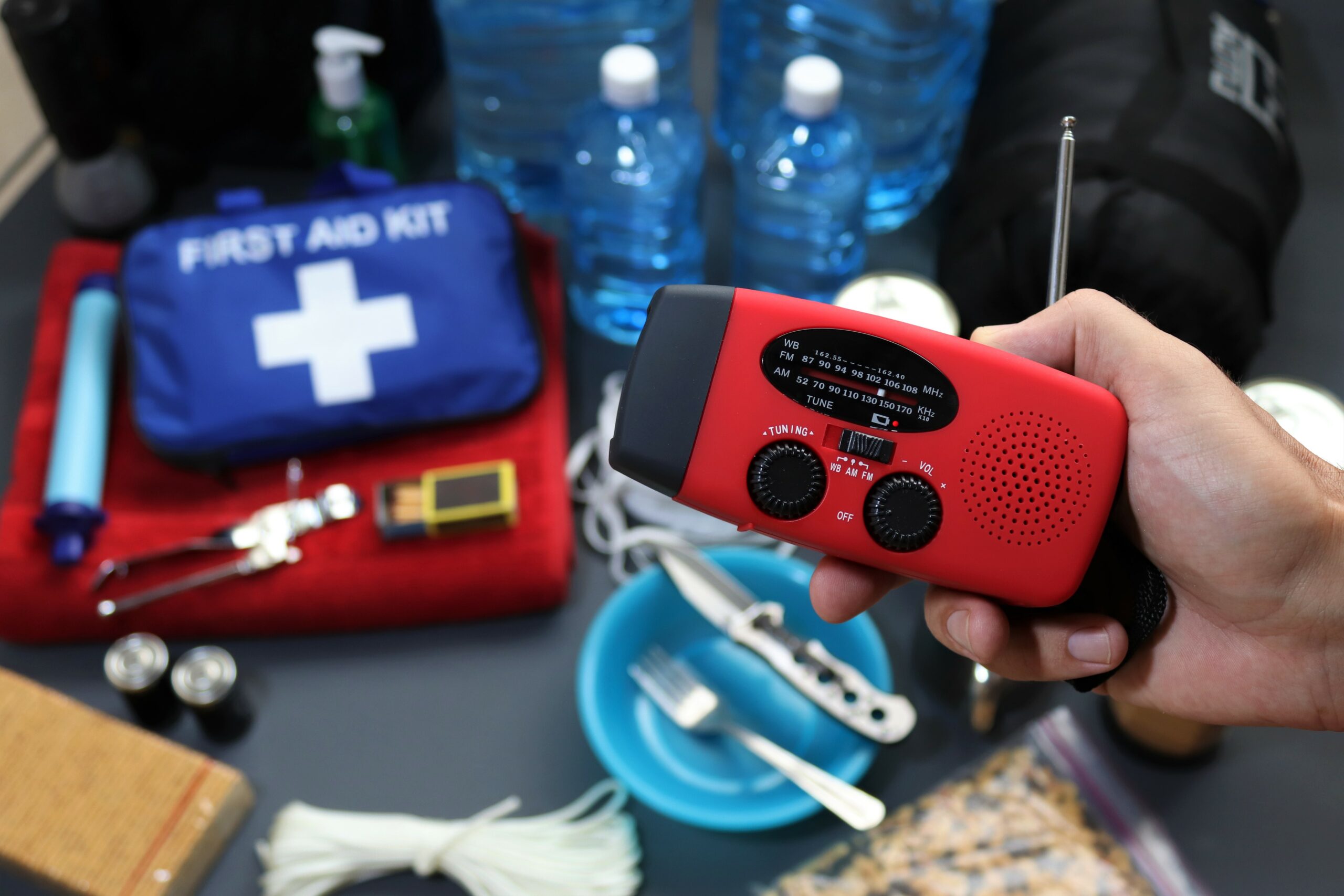
Put Together a Kit of Emergency Supplies. Gather emergency supplies and store them in a container that is easy to access and transport. Items to include:
- A few days’ worth of drinking water, nonperishable food, and a can opener
- A flashlight with extra batteries – check on the batteries yearly to make sure they work
- A first aid kit, hand sanitizer, and a roll of toilet paper
- A pack of matches or a lighter in a waterproof container (or zip lock bag)
- A whistle or other noise-makers to alert emergency workers of your location
- A change of clothing and something for warmth (jacket, blanket, gloves, etc.)
- A photo copy of I.D. & other important documentation
- A back-up of essential items, such as medications, toothbrush, glasses, hearing aid batteries, denture cup, etc.
- A reminder check-list of all necessary essentials, such as air tank, walker/cane, wheelchair, dentures, glasses, hearing aids, etc.
- An activity of some sort. Something that can keep you entertained, such as a book or deck of playing cards
For more information about how you can be prepared for an emergency, visit The Red Cross’ website: redcross.org or call (877) 727-6771.