

By Shannin Prather
January 2024 | 2024 Winter Newsletter
In the 2018 census, it was revealed that there were nearly 18 million military veterans living in America, ranging in age from 18 to over 100 years old. Veterans are part of a unique population with distinct cultural values, customs, codes of conduct, and patterns of communication that may be different from their civilian peers. This culture can also include higher than average obstacles to maintaining overall wellbeing, and some of these challenges may be lifelong for veterans.
The transition back to civilian life can look different for everyone. Military personnel who have returned home report experiencing a range of emotions
from feeling relieved to be home and reunited with loved ones, to feeling anxious or stressed due to difficulties experienced while deployed. A significant percentage of veterans also report experiencing “survivor’s guilt,” which leads them to question their own survival while others they served with died. Survivor’s guilt can be a major symptom of Post-Traumatic Stress Disorder (PTSD).
“I still have a lot of deployment related issues that crop up in my personal life, and I still miss my living and dead friends like I’ve never missed anything else…I often feel lost because I don’t know what to do without the support I had from those guys in my deployment…Most of all I feel angry at myself for feeling this way because, after 10 years, I shouldn’t,” writes U.S. Army veteran Tymon Kapelski in a Quora conversation about feelings veterans may experience when they return home.
The experience of military service can have a deep and lifelong impact, affecting veterans and their loved ones with sometimes devastating effects. Veterans tend to experience traumatic brain injury (TBI), PTSD, mental health conditions, and substance use disorders at higher rates than civilians. PTSD is often associated with TBI, military sexual trauma (MST), sleep problems, substance use, pain, and psychiatric disorders.
The National Institutes for Health (NIH) reports that a successful return into civilian life depends on providing veterans with training that builds on their military knowledge and skill, employment opportunities, homelessness prevention, and mental health programs that focus on transitioning back into civilian life. Support can be beneficial regardless of how much time has passed since military service ended.
Connecting with fellow veterans to discuss difficulties experienced in the transition back to civilian life may also ease some challenges and allow peers to offer suggestions and resources that have worked for them. Besides sharing resources, sharing stories and challenges can help lessen feelings of isolation and disconnection from civilian loved ones.
Veterans have expressed that difficulties returning to civilian life are varied and often unexpected. Many recently returned veterans report sudden moments of anxiety or panic experienced when out with friends or just after waking up because they can’t find their weapon or protective equipment.
Another unexpected challenge reported by recently returned veterans is the process of learning how loved ones may have changed and grown while the veteran was deployed.
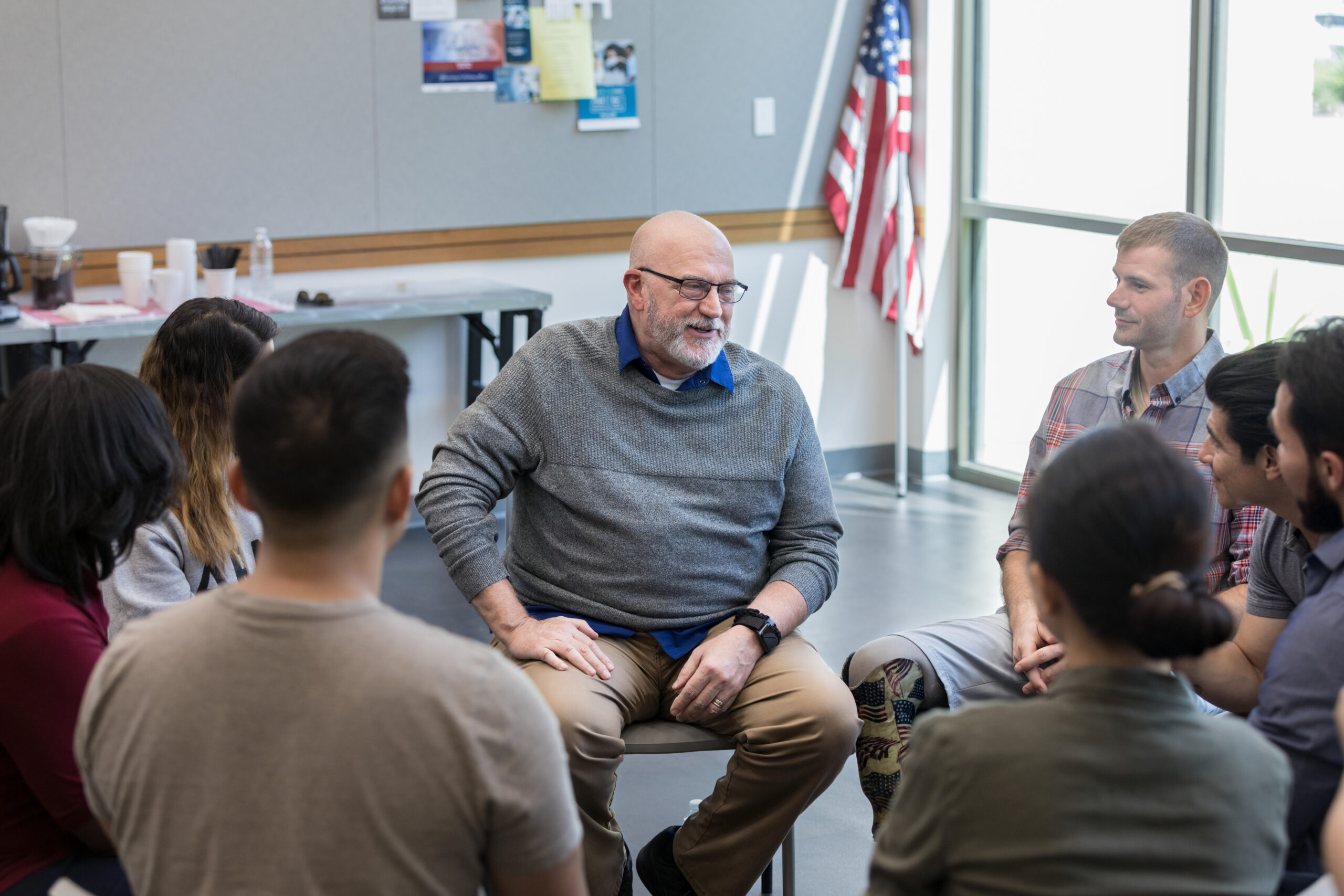
There may also be a lack of true understanding from society and loved ones on, not just the traumas of warfare, but the sharp and sudden contrast in routine and order experienced when a veteran returns from military deployment.
Neyl Gray, a Santa Clara County Navy SEAL Vietnam War veteran, believes more services and education focused on helping military families understand the specific needs and struggles their loved ones may experience should be made available before the Veteran returns home.
“When I first returned from Vietnam, I didn’t know how to function without the routine and regiment that had directed my every waking moment during my service,” Neyl explains. “I didn’t know how to develop a new routine. I didn’t know when to go to bed, or how to decide what I wanted to eat for dinner. I felt anxious in crowds, even when the crowd was made up of my friends. It would have helped us all if we had gone through some kind of training to help us reestablish our lives together.”
If you or someone you care for is a veteran in need of assistance to improve wellbeing, there are organizations ready to assist.
The California Department of Veterans Affairs (calvet.ca.gov) assists with connecting veterans and their families to benefits and support.
The Santa Clara County Veteran Services Office (vets.santaclaracounty.gov) is a county and state funded agency that helps veterans and active-duty service people and their spouses, dependents, and survivors file claims with the U.S. Department of Veterans Affairs for compensation and benefits.
The Wounded Warrior Project (woundedwarriorproject.org) offers many free programs and services to veterans who served on or after September 11, 2001 and incurred a physical or mental injury, illness, or wound during or after services.
The Modern Military Association of America (modernmilitary.org) is a national LGBTQ+ service members advocacy group for veterans, and their families. MMAA works to uphold and expand LGBTQ+ civil rights progress through education, advocacy, support networks, and discrimination tracking.
The Department of Veterans Affairs (va.gov) provides a variety of low-cost or free services to eligible veterans, including assistance in the transition to civilian life, mental health and MST care, health care, LGBTQ+ care coordination, and more.
The American Legion (legion.org) embraces all current and former members of the military and endeavors to help them transition into their communities with several support programs and services.
For information and referrals to other supportive programs and services, speak with a Community Resource Specialist by calling the Sourcewise Information & Awareness Program at (408) 350-3200, option 1.
In the 2018 census, it was revealed that there were nearly 18 million military veterans living in America, ranging in age from 18 to over 100 years old. Veterans are part of a unique population with distinct cultural values, customs, codes of conduct, and patterns of communication that may be different from their civilian peers. This culture can also include higher than average obstacles to maintaining overall wellbeing, and some of these challenges may be lifelong for veterans.
The transition back to civilian life can look different for everyone. Military personnel who have returned home report experiencing a range of emotions from feeling relieved to be home and reunited with loved ones, to feeling anxious or stressed due to difficulties experienced while deployed. A significant percentage of veterans also report experiencing “survivor’s guilt,” which leads them to question their own survival while others they served with died. Survivor’s guilt can be a major symptom of Post-Traumatic Stress Disorder (PTSD).
“I still have a lot of deployment related issues that crop up in my personal life, and I still miss my living and dead friends like I’ve never missed anything else…I often feel lost because I don’t know what to do without the support I had from those guys in my deployment…Most of all I feel angry at myself for feeling this way because, after 10 years, I shouldn’t,” writes U.S. Army veteran Tymon Kapelski in a Quora conversation about feelings veterans may experience when they return home.
The experience of military service can have a deep and lifelong impact, affecting veterans and their loved ones with sometimes devastating effects. Veterans tend to experience traumatic brain injury (TBI), PTSD, mental health conditions, and substance use disorders at higher rates than civilians. PTSD is often associated with TBI, military sexual trauma (MST), sleep problems, substance use, pain, and psychiatric disorders.
The National Institutes for Health (NIH) reports that a successful return into civilian life depends on providing veterans with training that builds on their military knowledge and skill, employment opportunities, homelessness prevention, and mental health programs that focus on transitioning back into civilian life. Support can be beneficial regardless of how much time has passed since military service ended.
Connecting with fellow veterans to discuss difficulties experienced in the transition back to civilian life may also ease some challenges and allow peers to offer suggestions and resources that have worked for them. Besides sharing resources, sharing stories and challenges can help lessen feelings of isolation and disconnection from civilian loved ones.
Veterans have expressed that difficulties returning to civilian life are varied and often unexpected. Many recently returned veterans report sudden moments of anxiety or panic experienced when out with friends or just after waking up because they can’t find their weapon or protective equipment.
Another unexpected challenge reported by recently returned veterans is the process of learning how loved ones may have changed and grown while the veteran was deployed.
There may also be a lack of true understanding from society and loved ones on, not just the traumas of warfare, but the sharp and sudden contrast in routine and order experienced when a veteran returns from military deployment.
Neyl Gray, a Santa Clara County Navy SEAL Vietnam War veteran, believes more services and education focused on helping military families understand the specific needs and struggles their loved ones may experience should be made available before the Veteran returns home.
“When I first returned from Vietnam, I didn’t know how to function without the routine and regiment that had directed my every waking moment during my service,” Neyl explains. “I didn’t know how to develop a new routine. I didn’t know when to go to bed, or how to decide what I wanted to eat for dinner. I felt anxious in crowds, even when the crowd was made up of my friends. It would have helped us all if we had gone through some kind of training to help us reestablish our lives together.”
If you or someone you care for is a veteran in need of assistance to improve wellbeing, there are organizations ready to assist.
The California Department of Veterans Affairs (calvet.ca.gov) assists with connecting veterans and their families to benefits and support.
The Santa Clara County Veteran Services Office (vets.santaclaracounty.gov) is a county and state funded agency that helps veterans and active-duty service people and their spouses, dependents, and survivors file claims with the U.S. Department of Veterans Affairs for compensation and benefits.
The Wounded Warrior Project (woundedwarriorproject.org) offers many free programs and services to veterans who served on or after September 11, 2001 and incurred a physical or mental injury, illness, or wound during or after services.
The Modern Military Association of America (modernmilitary.org) is a national LGBTQ+ service members advocacy group for veterans, and their families. MMAA works to uphold and expand LGBTQ+ civil rights progress through education, advocacy, support networks, and discrimination tracking.
The Department of Veterans Affairs (va.gov) provides a variety of low-cost or free services to eligible veterans, including assistance in the transition to civilian life, mental health and MST care, health care, LGBTQ+ care coordination, and more.
The American Legion (legion.org) embraces all current and former members of the military and endeavors to help them transition into their communities with several support programs and services.
For information and referrals to other supportive programs and services, speak with a Community Resource Specialist by calling the Sourcewise Information & Awareness Program at (408) 350-3200, option 1.