

By Shannin Prather
July 2020 | 2020 Summer Newsletter
Hopefully, you will never have to test your immune system defense against Coronavirus (COVID-19), but it is always a good idea for everyone, especially older adults, to maintain a strong immune system to fight whatever may come your way. Always remember to wash your hands for 20 seconds and practice social distancing to protect yourself from viruses.
Keep your immune system in tip-top shape:
Eat right. A study at Cambridge University published in October 2011 recorded that immunocompromised people improved their immune response by eating more fruit and vegetables. The Cleveland Clinic added that vitamins C, B6, and E are the most important for immune function. While you can take a supplement, the body absorbs them best when eaten in foods that are rich in the nutrients. Citrus fruits are high in vitamin C, vegetables including soybeans contain vitamin B6, and sunflower seeds and almonds deliver vitamin E.
“Eighty percent of your immune system is in the gut, so when it is healthy, we tend to be able to fight off infections faster and better,” said Yufang Lin, M.D., of the Center for Integrative Medicine at the Cleveland Clinic. Dr. Lin also noted that consuming “fermented foods, such as yogurt, sauerkraut, miso, and kefir are beneficial because they boost healthy bacteria in the gut.”
Get your sleep. Sleep and immunity are closely tied together. Your immune system needs downtime, meaning sleep. During sleep cycles, the body produces and distributes important immune cells. When your body is sleep-deprived, it produces stress hormones such as cortisol, which can suppress your immune system. Several studies have shown that poor sleep can result in a decrease of certain white blood cells that play a major role in fighting both cancer and viruses.
Get active. According to many studies, a strong immune system is highly connected with fitness. With shelter-in-place orders set up across the country, the Centers for Disease Control and Prevention and the World Health Organization encourage regular exercise. The 2019 Journal of Sport and Health Science found that exercise can improve your immune response, lower illness risk, and reduce inflammation.


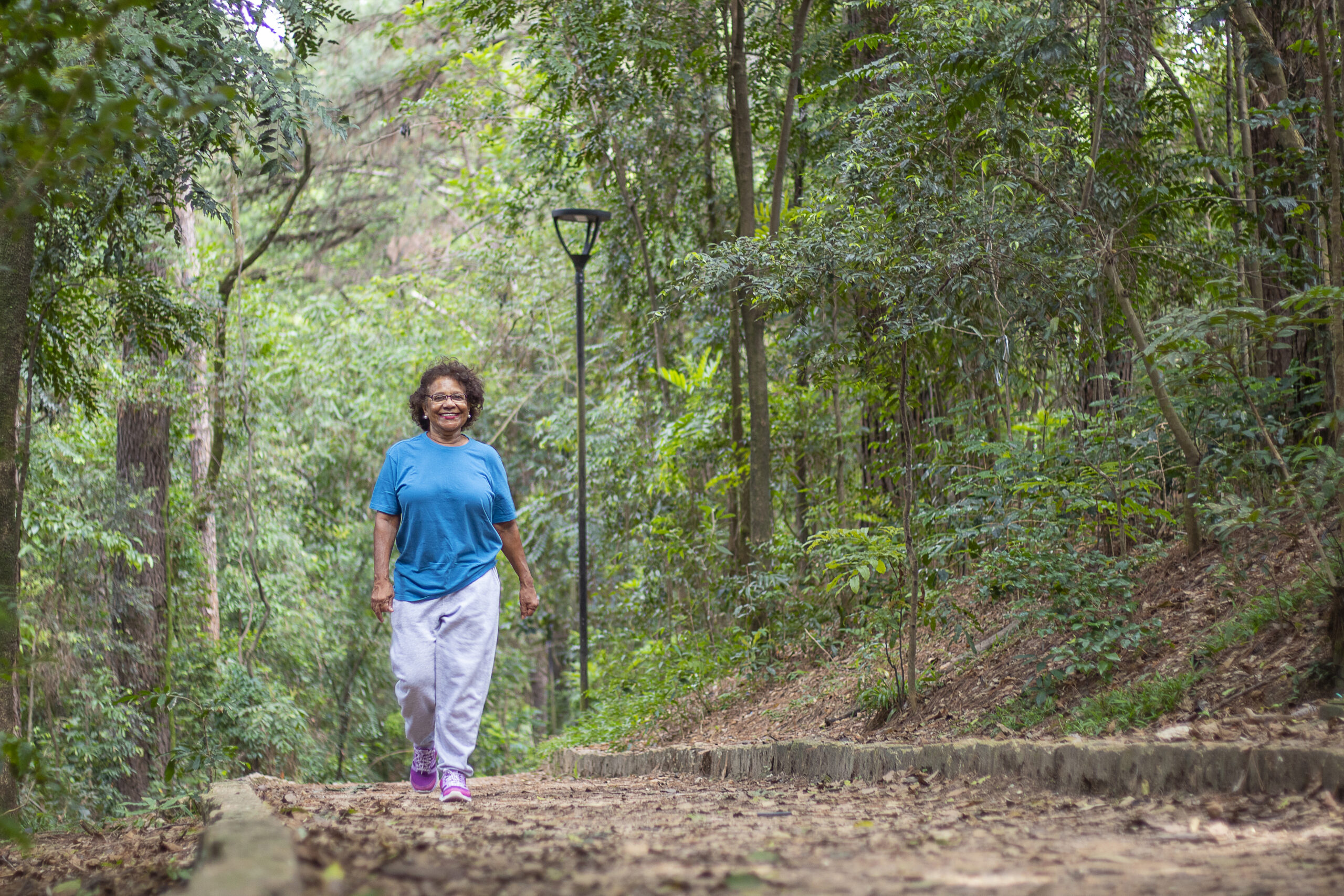
Try a low-impact workout at home such as leg and arm lifts, yoga, tai chi, or walking laps through your house. Getting active for even seven minutes, twice per day can have a very positive effects on the immune system and a person’s overall well-being.
A strong link is associated with a person’s immune system and mental health. Although it can be difficult to avoid stress in our lives, especially in the current global situation you can adopt strategies to help better manage your stress levels.
Though none of these suggestions can prevent COVID-19, they may increase your body’s defenses and help your immune system protect you against the virus.
Hopefully, you will never have to test your immune system defense against Coronavirus (COVID-19), but it is always a good idea for everyone, especially older adults, to maintain a strong immune system to fight whatever may come your way. Always remember to wash your hands for 20 seconds and practice social distancing to protect yourself from viruses.
Keep your immune system in tip-top shape:
Eat right. A study at Cambridge University published in October 2011 recorded that immunocompromised people improved their immune response by eating more fruit and vegetables. The Cleveland Clinic added that vitamins C, B6, and E are the most important for immune function. While you can take a supplement, the body absorbs them best when eaten in foods that are rich in the nutrients. Citrus fruits are high in vitamin C, vegetables including soybeans contain vitamin B6, and sunflower seeds and almonds deliver vitamin E.
“Eighty percent of your immune system is in the gut, so when it is healthy, we tend to be able to fight off infections faster and better,” said Yufang Lin, M.D., of the Center for Integrative Medicine at the Cleveland Clinic. Dr. Lin also noted that consuming “fermented foods, such as yogurt, sauerkraut, miso, and kefir are beneficial because they boost healthy bacteria in the gut.”
Get your sleep. Sleep and immunity are closely tied together. Your immune system needs downtime, meaning sleep. During sleep cycles, the body produces and distributes important immune cells. When your body is sleep-deprived, it produces stress hormones such as cortisol, which can suppress your immune system. Several studies have shown that poor sleep can result in a decrease of certain white blood cells that play a major role in fighting both cancer and viruses.
Get active. According to many studies, a strong immune system is highly connected with fitness. With shelter-in-place orders set up across the country, the Centers for Disease Control and Prevention and the World Health Organization encourage regular exercise. The 2019 Journal of Sport and Health Science found that exercise can improve your immune response, lower illness risk, and reduce inflammation.
Try a low-impact workout at home such as leg and arm lifts, yoga, tai chi, or walking laps through your house. Getting active for even seven minutes, twice per day can have a very positive effects on the immune system and a person’s overall well-being.
A strong link is associated with a person’s immune system and mental health. Although it can be difficult to avoid stress in our lives, especially in the current global situation you can adopt strategies to help better manage your stress levels.
Though none of these suggestions can prevent COVID-19, they may increase your body’s defenses and help your immune system protect you against the virus.