

By Matthew Wong
July 2016 | 2016 Summer Newsletter
The beautiful California sun invites us to bask in the sunlight, and long summer days invite us to lounge for hours. It’s important to keep in mind that too much sun can have negative consequences. Protect yourself from the rising temperatures and the threat of heat exhaustion/heat stroke by recognizing warning signs that may signal that your health is in danger.
Heat exhaustion can occur when your body gets too hot and tries to cool itself down. Common symptoms include sweating, dizziness, and muscle cramps. Sweat evaporating from the skin is the primary method our bodies use to cool down. High humidity levels, tight or layered clothing, and dehydration can
delay your body’s natural cooling process. Certain medications also affect the way your body reacts to heat. Consult your doctor to learn about your specific risks.
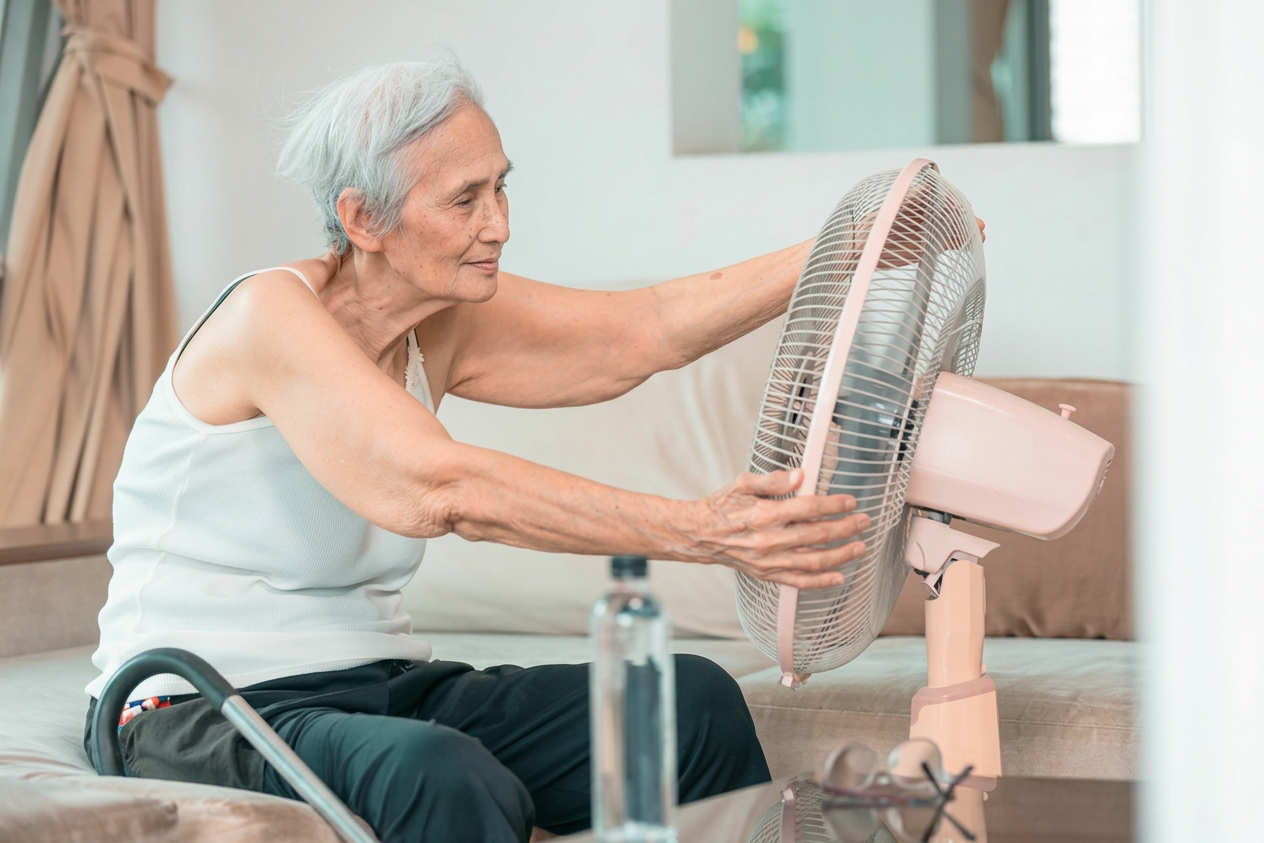
To treat heat exhaustion, move to an airconditioned location, loosen or remove unnecessary clothing, and drink plenty of water. A cold bath may help. Misting with water and fanning exposed skin are also effective ways to cool down. If you do not begin to feel better within 30 minutes, call medical personnel immediately. Heat exhaustion can progress into a much more dangerous state – heat stroke.
Heat stroke occurs when the body is no longer able to cool itself down. Some important indicators are dry skin that is flushed and/or hot, trouble breathing, confusion or hallucinations, and a high internal body temperature. If you are exhibiting these symptoms, move into the shade or an air-conditioned location and immediately contact emergency medical services. Unlike heat exhaustion, only drink water if you are not vomiting or disoriented. If ice packs are available, place them under your arms, behind your neck, and on your groin as these areas contain a high number of blood vessels and will help you cool down more quickly.
Overheating can be avoided with proper precautions. Wear light-colored, loose clothing to help ventilate your body. Stay hydrated by drinking plenty of water. Avoid alcohol and caffeinated drinks, which can dehydrate you. Sports drinks are helpful because they replenish minerals lost through sweat.
Too much heat exposure can be dangerous. With awareness and forethought, everyone can safely enjoy the warm Santa Clara Valley weather.
The beautiful California sun invites us to bask in the sunlight, and long summer days invite us to lounge for hours. It’s important to keep in mind that too much sun can have negative consequences. Protect yourself from the rising temperatures and the threat of heat exhaustion/heat stroke by recognizing warning signs that may signal that your health is in danger.
Heat exhaustion can occur when your body gets too hot and tries to cool itself down. Common symptoms include sweating, dizziness, and muscle cramps. Sweat evaporating from the skin is the primary method our bodies use to cool down. High humidity levels, tight or layered clothing, and dehydration can delay your body’s natural cooling process. Certain medications also affect the way your body reacts to heat. Consult your doctor to learn about your specific risks.
To treat heat exhaustion, move to an airconditioned location, loosen or remove unnecessary clothing, and drink plenty of water. A cold bath may help. Misting with water and fanning exposed skin are also effective ways to cool down. If you do not begin to feel better within 30 minutes, call medical personnel immediately. Heat exhaustion can progress into a much more dangerous state – heat stroke.
Heat stroke occurs when the body is no longer able to cool itself down. Some important indicators are dry skin that is flushed and/or hot, trouble breathing, confusion or hallucinations, and a high internal body temperature. If you are exhibiting these symptoms, move into the shade or an air-conditioned location and immediately contact emergency medical services. Unlike heat exhaustion, only drink water if you are not vomiting or disoriented. If ice packs are available, place them under your arms, behind your neck, and on your groin as these areas contain a high number of blood vessels and will help you cool down more quickly.
Overheating can be avoided with proper precautions. Wear light-colored, loose clothing to help ventilate your body. Stay hydrated by drinking plenty of water. Avoid alcohol and caffeinated drinks, which can dehydrate you. Sports drinks are helpful because they replenish minerals lost through sweat.
Too much heat exposure can be dangerous. With awareness and forethought, everyone can safely enjoy the warm Santa Clara Valley weather.