

By Edith Gong
April 2024 | 2024 Spring Newsletter
Spring has arrived, bringing with it warmer weather, blooming flowers, and growing leaves. For many people, this season also brings the challenge of springtime allergies. Also known as “hay fever,” spring’s seasonal allergies are usually caused by pollen and grasses.
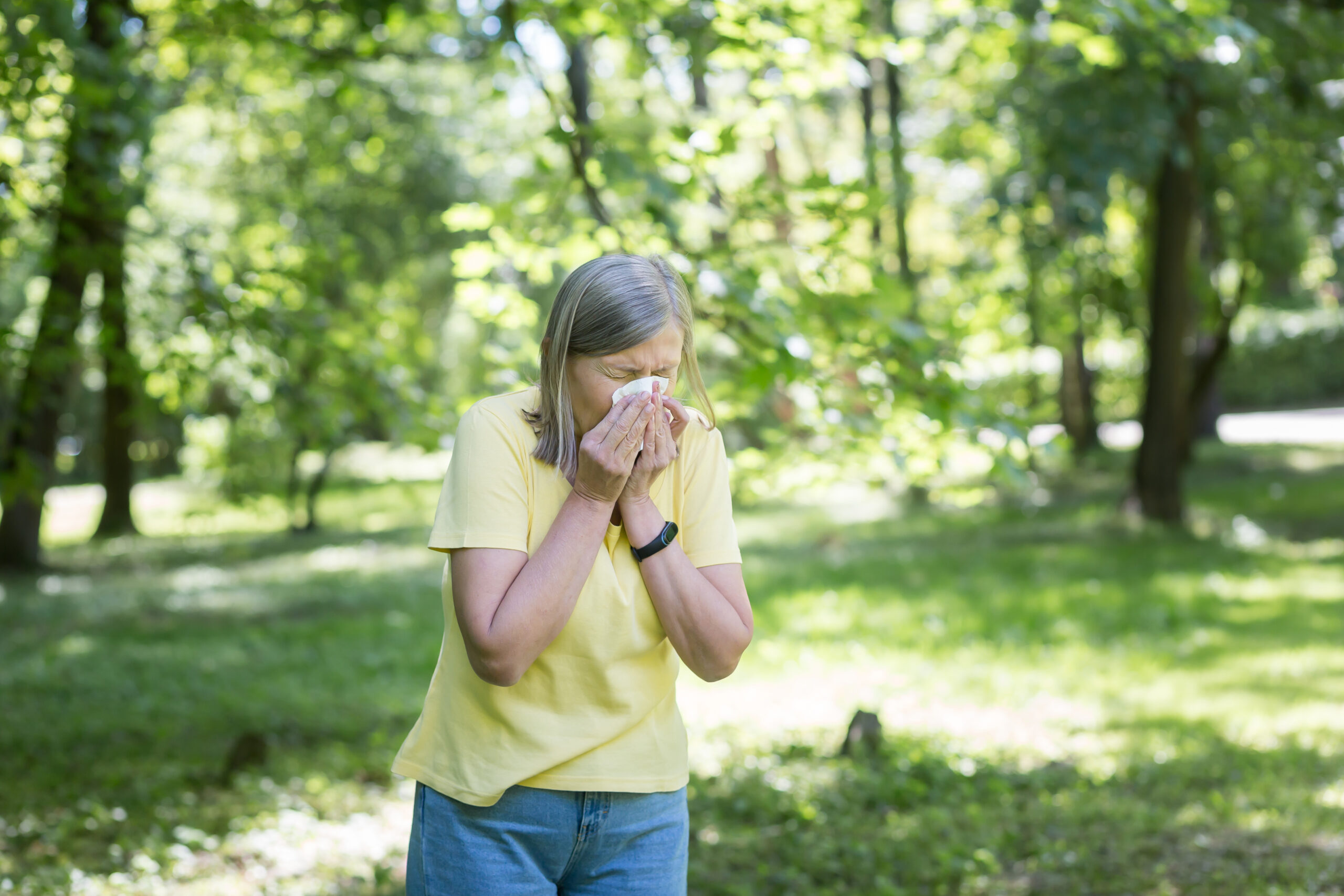
Hay fever is an allergic response from the immune system that may cause sneezing, runny nose, and watery, itchy eyes. While allergies are often thought to present earlier in life, adult-onset allergies are not unusual.
As we age, our immune system may weaken, which can lessen our ability to
fight off allergens. In older adults, allergies may worsen existing health conditions, such as breathing issues, asthma, heart disease, or eczema.
Adult-onset allergies can be more difficult to diagnose, especially during brief doctor appointments when the focus may be on other health issues and may be disguised by other conditions that a person is being treated for.
If you think you may be experiencing seasonal allergies, consider wearing sunglasses and a face mask when outdoors. Talk to your doctor so they can test for potential allergies and create a treatment plan with you, if necessary.
Before taking over-the-counter medications, check that they are right for you because some medications, such as antihistamines like Benadryl, may cause side effects or interactions with other prescriptions that could put your health at risk.
Spring has arrived, bringing with it warmer weather, blooming flowers, and growing leaves. For many people, this season also brings the challenge of springtime allergies. Also known as “hay fever,” spring’s seasonal allergies are usually caused by pollen and grasses.
Hay fever is an allergic response from the immune system that may cause sneezing, runny nose, and watery, itchy eyes. While allergies are often thought to present earlier in life, adult-onset allergies are not unusual.
As we age, our immune system may weaken, which can lessen our ability to fight off allergens. In older adults, allergies may worsen existing health conditions, such as breathing issues, asthma, heart disease, or eczema.
Adult-onset allergies can be more difficult to diagnose, especially during brief doctor appointments when the focus may be on other health issues and may be disguised by other conditions that a person is being treated for.
If you think you may be experiencing seasonal allergies, consider wearing sunglasses and a face mask when outdoors. Talk to your doctor so they can test for potential allergies and create a treatment plan with you, if necessary.
Before taking over-the-counter medications, check that they are right for you because some medications, such as antihistamines like Benadryl, may cause side effects or interactions with other prescriptions that could put your health at risk.