

By Mathew Lubinsky, IHSS Advisory Board Chair
January 2023 | 2023 Winter Newsletter
When I was in the hospital after my injury, my sister-in-law researched things that could make my life better. She knew I would have many difficulties ahead of me, having lost the ability to walk and easily feed myself. Shortly after leaving the hospital, thanks to her, I had appointments for VTA Outreach Paratransit (now known as Access) and adaptive Physical Education (PE). While everyone understands the need for accessible transportation, few may understand how beneficial adaptive PE is for the disabled.
Most of our community colleges have adaptive PE programs, including San Jose City College, Foothill College, Mission College, West Valley College, and
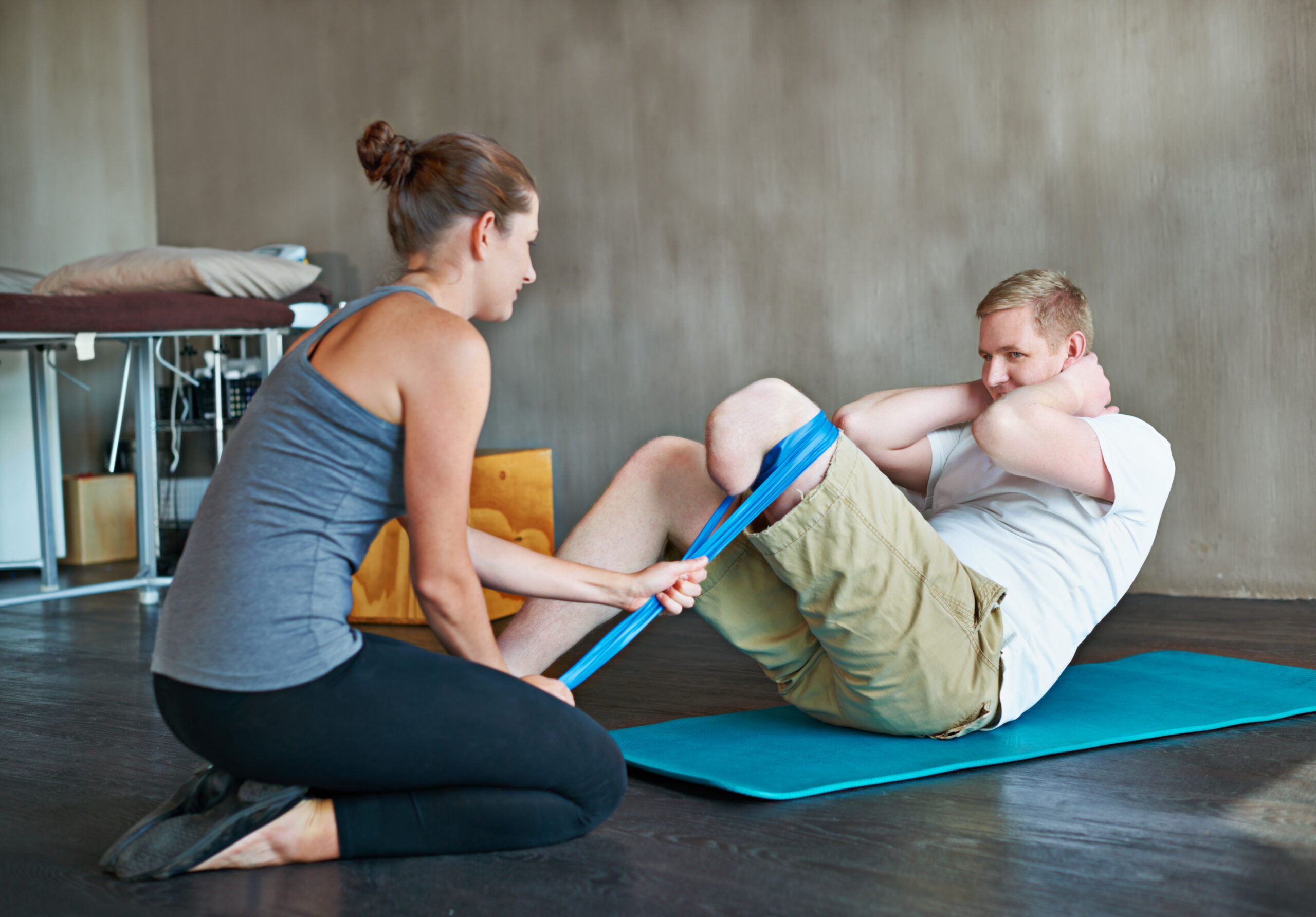
more. These programs are designed specifically for seniors and people with disabilities, and use machines specially designed to accommodate people with a wide range of physical needs. These programs also have staff to help with the use of equipment. Equipment that helps get a workout, increases the heart rate, and safely improves range of motion is incredibly beneficial.
Adaptive PE programs also offer something that is not listed on the course syllabus: socialization. Many who become disabled may turn inside themselves. Doctors may recommend group therapy but, for a variety of reasons, this may not be effective. Adaptive PE helps physically but, even more, it can help emotionally.
Sitting with peers before class, from the newly disabled to the veterans, you can find yourself gradually discussing the issues and frustrations you are facing. With luck, someone with a similar disability will take you under their wing. For me, a man named Fred taught me several ways to help my own situation. Seeing other people adapting to living with disabilities, some in worse situations than your own, may help show that it is possible to thrive regardless of physical challenges.
I truly believe individuals should be recommended this program as they leave the hospital. If you or someone you know is struggling with a disability, explore the availability of adapted PE classes and requirements at locations near you by speaking with your doctor, physical therapist, or by doing a web search for “Adapted PE classes in [your city]”.
You can also connect with the National Center on Health, Physical Activity and Disability (NCHPAD), who can assist you in finding programs near you. Learn more at nchpad.org.
When I was in the hospital after my injury, my sister-in-law researched things that could make my life better. She knew I would have many difficulties ahead of me, having lost the ability to walk and easily feed myself. Shortly after leaving the hospital, thanks to her, I had appointments for VTA Outreach Paratransit (now known as Access) and adaptive Physical Education (PE). While everyone understands the need for accessible transportation, few may understand how beneficial adaptive PE is for the disabled.
Most of our community colleges have adaptive PE programs, including San Jose City College, Foothill College, Mission College, West Valley College, and more. These programs are designed specifically for seniors and people with disabilities, and use machines specially designed to accommodate people with a wide range of physical needs. These programs also have staff to help with the use of equipment. Equipment that helps get a workout, increases the heart rate, and safely improves range of motion is incredibly beneficial.
Adaptive PE programs also offer something that is not listed on the course syllabus: socialization. Many who become disabled may turn inside themselves. Doctors may recommend group therapy but, for a variety of reasons, this may not be effective. Adaptive PE helps physically but, even more, it can help emotionally.
Sitting with peers before class, from the newly disabled to the veterans, you can find yourself gradually discussing the issues and frustrations you are facing. With luck, someone with a similar disability will take you under their wing. For me, a man named Fred taught me several ways to help my own situation. Seeing other people adapting to living with disabilities, some in worse situations than your own, may help show that it is possible to thrive regardless of physical challenges.
I truly believe individuals should be recommended this program as they leave the hospital. If you or someone you know is struggling with a disability, explore the availability of adapted PE classes and requirements at locations near you by speaking with your doctor, physical therapist, or by doing a web search for “Adapted PE classes in [your city]”.
You can also connect with the National Center on Health, Physical Activity and Disability (NCHPAD), who can assist you in finding programs near you. Learn more at nchpad.org.