

By Shannin Prather
April 2019 | 2019 Spring Newsletter
This year add your medicine cabinet to your ‘spring cleaning’ list.
The annual spring cleaning routine often includes dusting, sweeping, scrubbing and decluttering. In addition to getting rid of things you no longer use, getting rid of expired prescription and over-the-counter medications can keep you and your family healthy.
Over time, expired medication will not only lose its effectiveness, but also such drugs can become toxic and harmful. Take time this spring to find and safely dispose of medication you no longer use.
Cleaning out your medicine cabinet also allows you to take inventory of the medication you are taking—both prescription and over-the-counter. Lower your risk of a dangerous drug interaction by reviewing medicine you are currently taking and sharing that information with your doctor or pharmacist.
Tips for cleaning out your medicine cabinet:
- Check dates. Get rid of anything that has expired—including ointments, supplements and vitamins.
- Discard items that have changed in color, smell or taste.
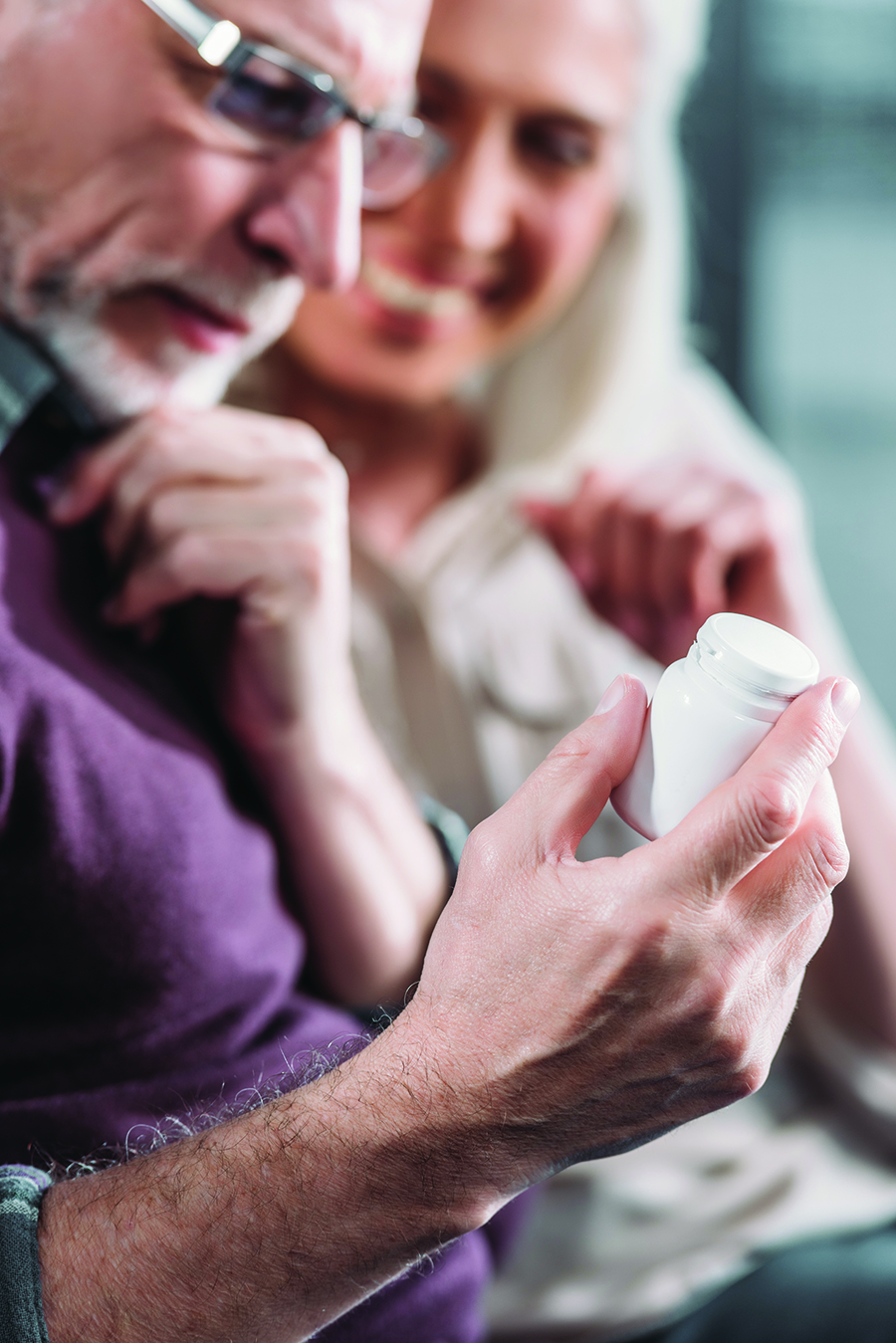
- Get rid of unmarked containers. If something is not in its original container and cannot be identified, dispose of it.
Use caution when discarding medications. To prevent environmental harm and to stop the drug from getting into the wrong hands, do not dump it into the trashcan nor flush medication down the toilet. Instead, remove from the prescription bottle your personal identifying information, such as the label, and dispose of the medications safely. Your local pharmacy, police department or Drug Enforcement Agency (DEA) may be able to assist in safely disposing of medications.
The National Prescription Drug Take-Back Day is scheduled for Saturday, April 27, 2019 from 10 a.m. to 2 p.m. Prescription Drug Take-Back Day is a concentrated effort that provides a safe, convenient, and responsible place to dispose of unused or expired prescription drugs.
Collection sites are available year-round as well. To find a collection site near you, call 1-800-882-9539 or visit dea.gov/takebackday.
This year add your medicine cabinet to your ‘spring cleaning’ list.
The annual spring cleaning routine often includes dusting, sweeping, scrubbing and decluttering. In addition to getting rid of things you no longer use, getting rid of expired prescription and over-the-counter medications can keep you and your family healthy.
Over time, expired medication will not only lose its effectiveness, but also such drugs can become toxic and harmful. Take time this spring to find and safely dispose of medication you no longer use.
Cleaning out your medicine cabinet also allows you to take inventory of the medication you are taking—both prescription and over-the-counter. Lower your risk of a dangerous drug interaction by reviewing medicine you are currently taking and sharing that information with your doctor or pharmacist.
Tips for cleaning out your medicine cabinet:
- Check dates. Get rid of anything that has expired—including ointments, supplements and vitamins.
- Discard items that have changed in color, smell or taste.
- Get rid of unmarked containers. If something is not in its original container and cannot be identified, dispose of it
Use caution when discarding medications. To prevent environmental harm and to stop the drug from getting into the wrong hands, do not dump it into the trashcan nor flush medication down the toilet. Instead, remove from the prescription bottle your personal identifying information, such as the label, and dispose of the medications safely. Your local pharmacy, police department or Drug Enforcement Agency (DEA) may be able to assist in safely disposing of medications.
The National Prescription Drug Take-Back Day is scheduled for Saturday, April 27, 2019 from 10 a.m. to 2 p.m. Prescription Drug Take-Back Day is a concentrated effort that provides a safe, convenient, and responsible place to dispose of unused or expired prescription drugs.
Collection sites are available year-round as well. To find a collection site near you, call 1-800-882-9539 or visit dea.gov/takebackday.